Skip to content

WHAT WE SOLVE

Typical Solutions & Engineering Scenarios

This page shows the types of work DABAJA handles. It does not present fictional jobs as completed customer projects.

TRANSPARENCY NOTE

Real project case studies will be published only when there are genuine photos, measurements, repair/install details, and customer permission where needed. Until then, these cards explain representative scopes—not claimed completed projects.

Residential Solar System engineering scenario
SOLAR DESIGN

Residential Solar System

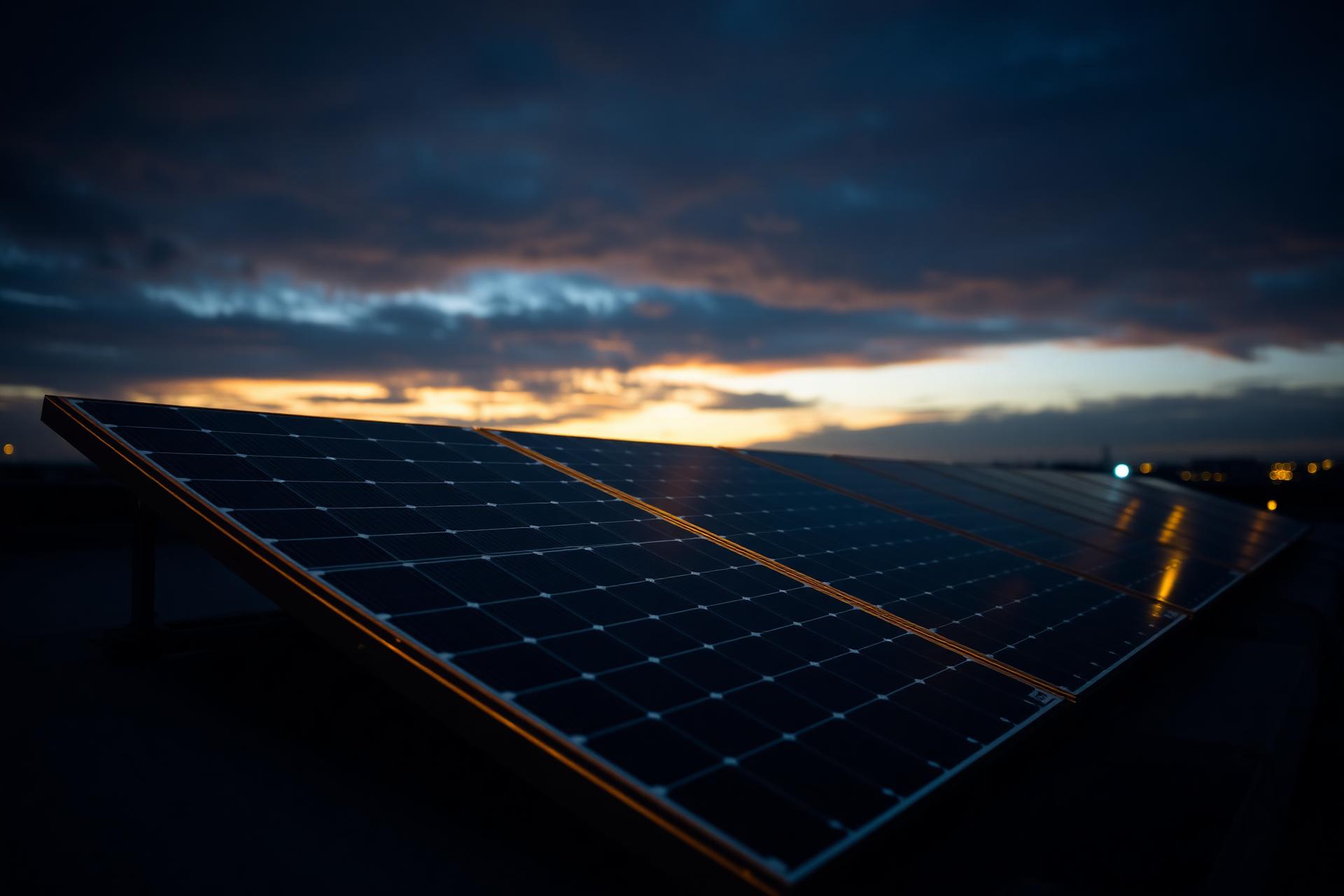
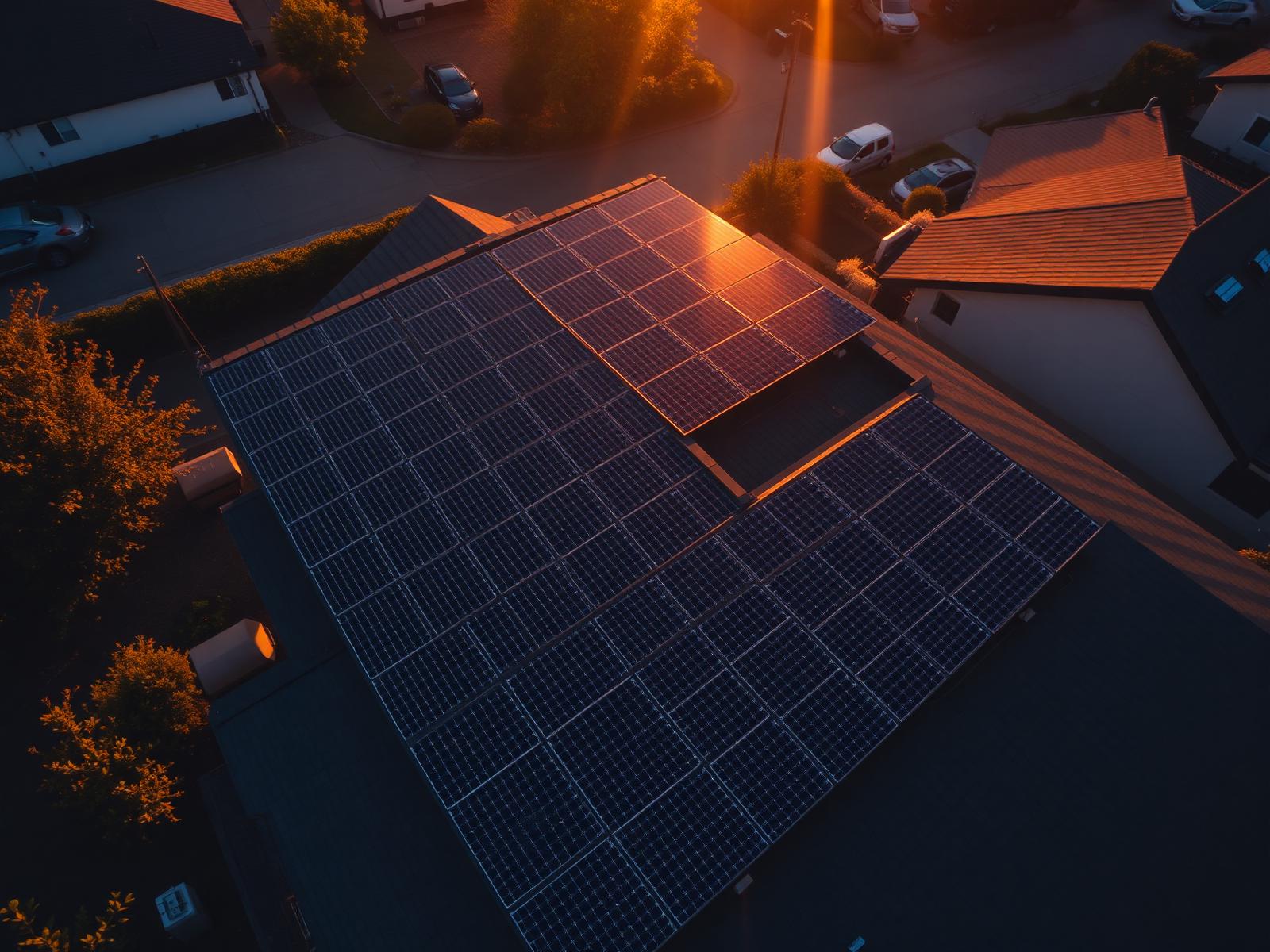
A complete residential scope can include load analysis, PV string design, inverter and battery sizing, cabling, protection, mounting, earthing, configuration, and commissioning.

  • Load and backup requirement
  • PV / MPPT limits
  • Battery and protection sizing
Discuss This Solution
Inverter Fault Diagnosis engineering scenario
INVERTER REPAIR

Inverter Fault Diagnosis

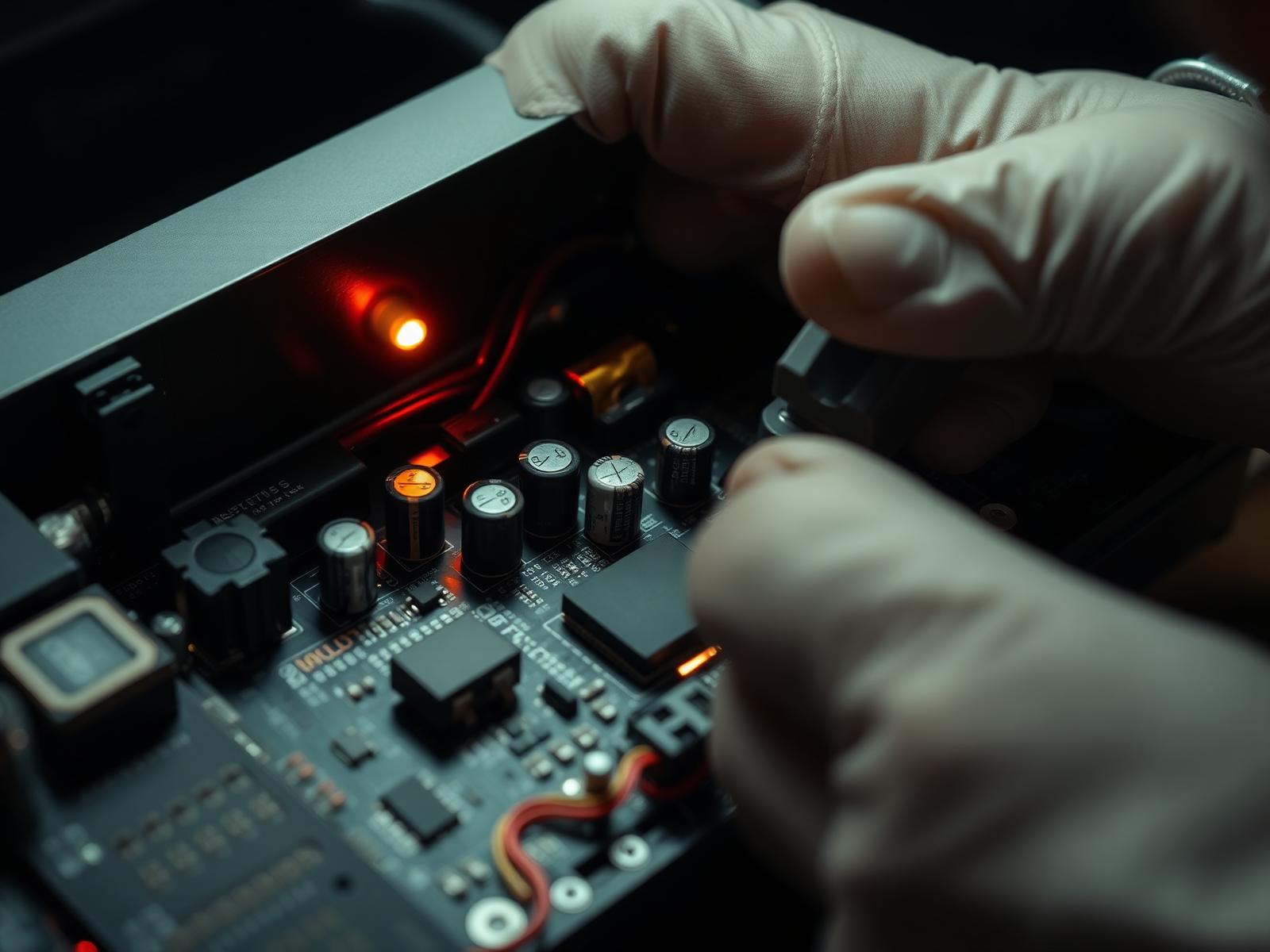
Diagnosis can cover auxiliary power, power devices, gate drivers, sensing, DC bus, charging/MPPT, cooling, battery communication, settings, and controlled final testing.

  • Error-code context
  • Block-level measurements
  • Repair-versus-replace decision
Discuss This Solution
Battery Backup Upgrade engineering scenario
BATTERY STORAGE

Battery Backup Upgrade

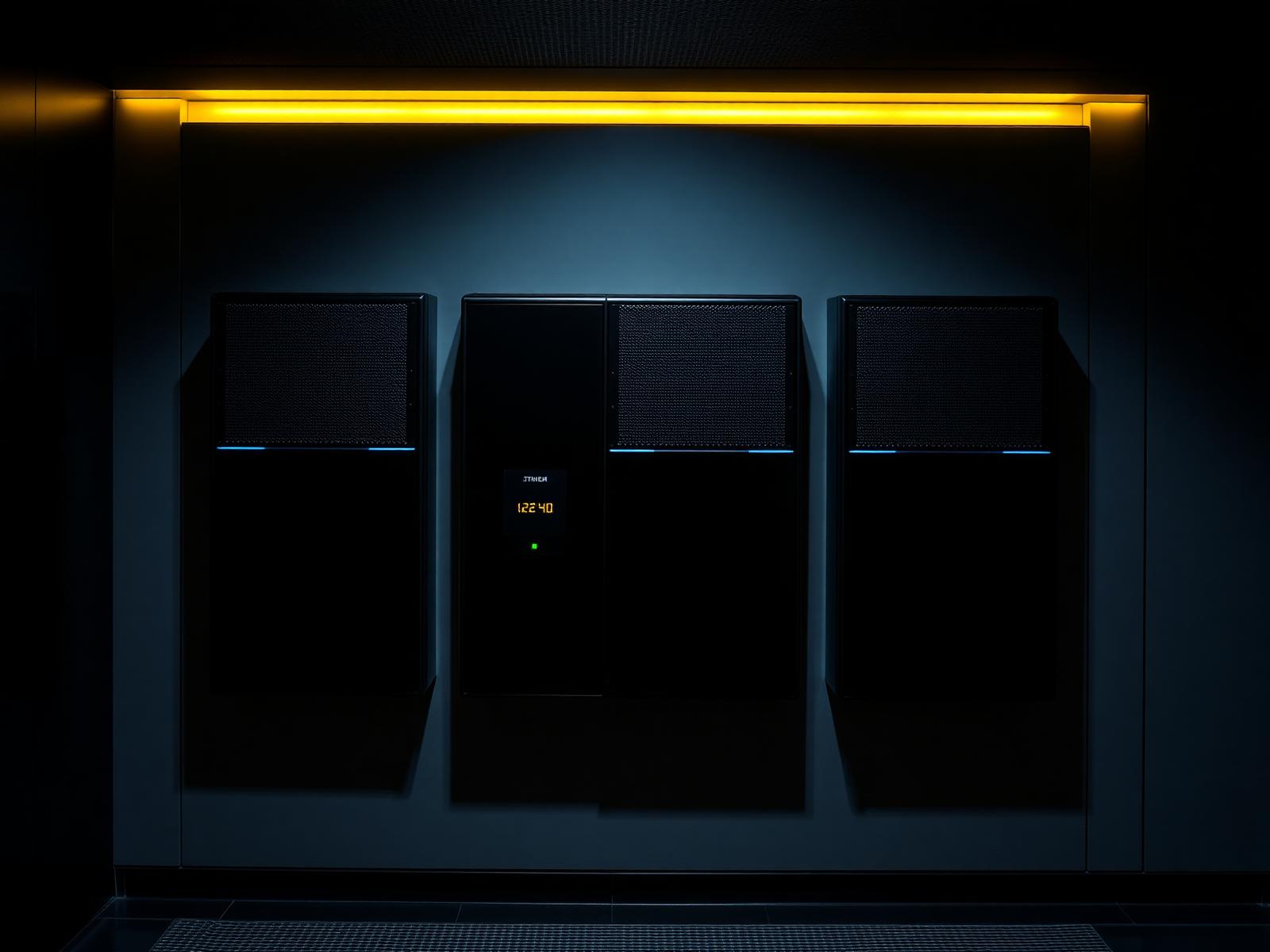
Battery upgrades are checked against the load, inverter voltage range, current limits, BMS compatibility, cable/protection requirements, settings, and required backup time.

  • Usable energy
  • Current capability
  • BMS / inverter compatibility
Discuss This Solution
Solar Capacity Upgrade engineering scenario
SYSTEM UPGRADE

Solar Capacity Upgrade

Expansion starts by checking the existing MPPT, inverter, PV strings, batteries, wiring, protection, roof/site capacity, and the reason more generation or backup is needed.

  • Existing-system limits
  • New PV string design
  • Safe expansion margin
Discuss This Solution
Electrical Fault Isolation engineering scenario
ELECTRICAL

Electrical Fault Isolation

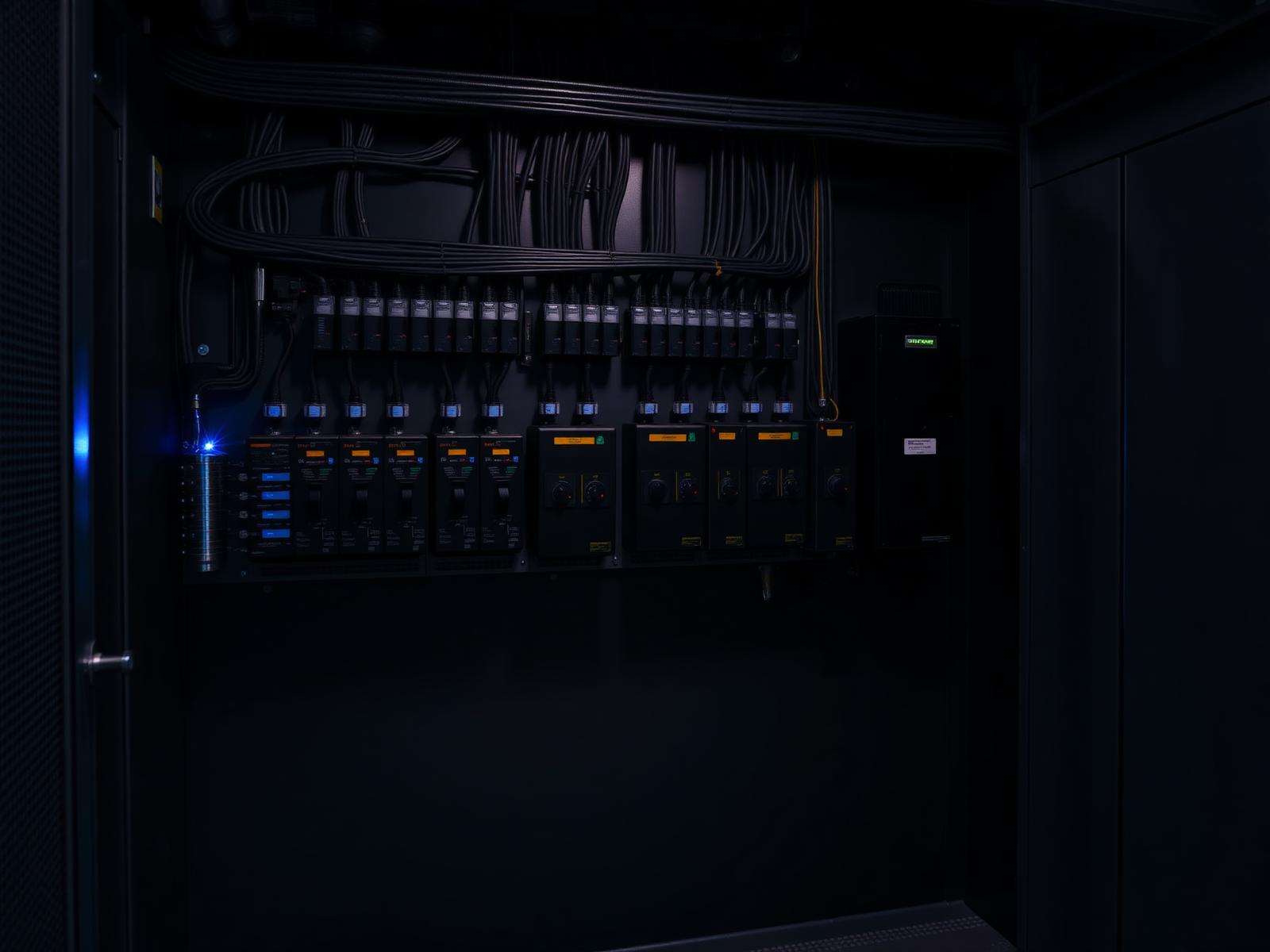
Troubleshooting can investigate breaker trips, hot connections, voltage drop, cable sizing, protection, panel condition, loading, and interaction with an inverter or backup source.

  • Actual current and voltage
  • Cable / breaker relationship
  • Connection heating and protection
Discuss This Solution
Energy & Load Assessment engineering scenario
ASSESSMENT

Energy & Load Assessment

Before purchasing equipment, a load and energy assessment can clarify peak power, daily consumption, critical loads, backup targets, and practical system sizing.

  • Peak load
  • Daily energy
  • Priority loads and budget
Discuss This Solution